- Cultural or Artistic Activity
- In person
- 2026 Campaign
Art Exhibition on Care Practices: “Manos que Crean y Arrullan”
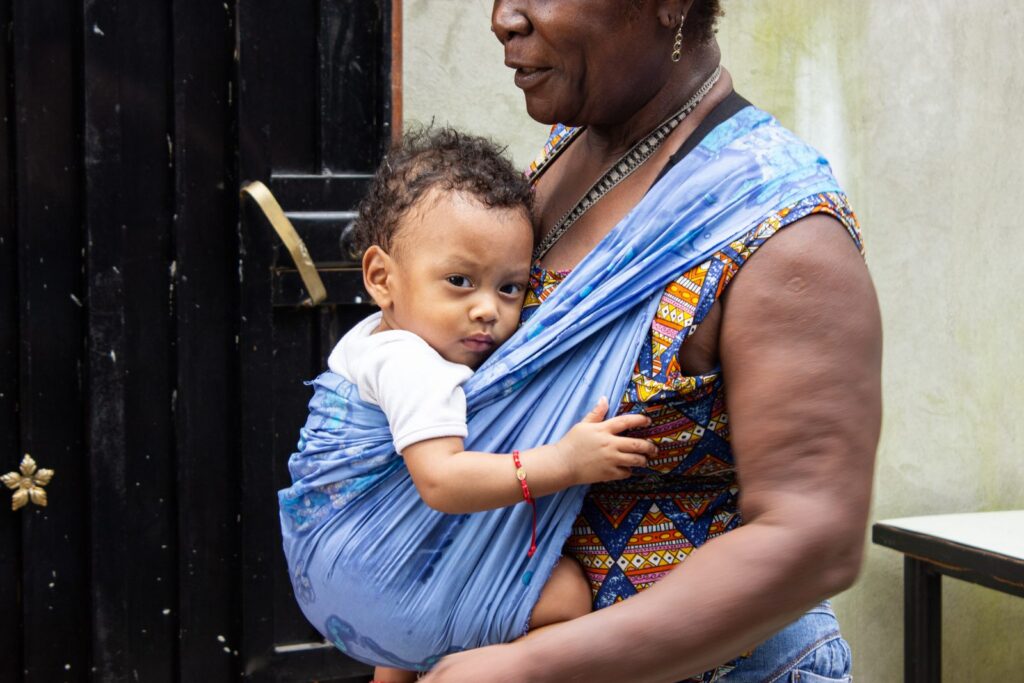
In a world facing simultaneous ecological, social, and care crises, the exhibition “Manos que crean y arrullan” proposes refocusing the conversation on care as a pillar of life’s sustainability and of community and environmental resilience. Through images, textiles, and narratives that document the care practices and knowledge of Kichwa, Shuar, Afro-Ecuadorian, and mestizo women from Ecuador’s Coast, Highlands, and Amazon region, we offer an exhibition experience that reclaims care as the living fabric of human, cultural, and natural relationships.
The exhibition stems from the collective effort of a research-creation group from the University of Cuenca, the University of the Arts, and the National University of Education, in collaboration with the Art and Social Transformation Foundation (ARTRA), with support from CEDIA, the Karibú Foundation, the Atasim Foundation, the Council of the Peoples of the South, and the Creative Research Network (REDIC).
Initially developed as part of the project “Sociocultural Innovation and Care Policies: Construction and Dissemination of Sensory Ethnographies Based on Creative Practice Regarding Diverse Forms of Motherhood in Southern Ecuador,” sections of the proposal have been presented in various regions and forums for dialogue on art, rights, and care. Under the title “Manos que arrullan,” a section of the exhibition was presented in 2025 at the Care Pavilion of the Fourth International Conference on Financing for Development in Seville, and later at the Care Pavilion of the Sixteenth Regional Conference on Women in Latin America and the Caribbean in Mexico City. Titled “Hands That Create and Lull: Sensory Ethnographies of Care,” the comprehensive exhibition continued its tour in Ecuador, with presentations in Guayaquil, Quito, and Sucúa, among other venues for circulation and gathering.
This tour has enabled the knowledge and experiences born in these territories to engage with diverse audiences and with national and international debates on the right to care, its recognition, and its centrality to the sustenance of life. The exhibition seeks not only to represent those who care for others but also to recognize them as producers of knowledge, memory, and creation.
The project thus seeks to highlight and recognize everyday care as forces that have historically resisted colonial and extractivist logics and that, even today, sustain other possible futures in these territories. The photographs, textiles, and texts brought together here invite us to rethink care as a sensitive network that connects bodies, territories, and memories, reminding us that caring for others and being cared for constitutes a fundamental form of social justice—a right, a labor, and a shared necessity that sustains life and the planet as a common good.
More from the 2026 Campaign
The Momney Project: What if care appeared on our money?
What if the value of unpaid care was visible on our money? As Europe prepares for a new generation of euro banknotes, Make Mothers Matter asks a bigger question: what do our banknotes say about who and what we value? The Momney Project uses the euro redesign as a starting point to make visible the […]
#AfricaCaresForHer
The platform will take stock of progress made by African countries in formally recognising care and how much is being investing in reducing the burden of care on women and girls in the continent.
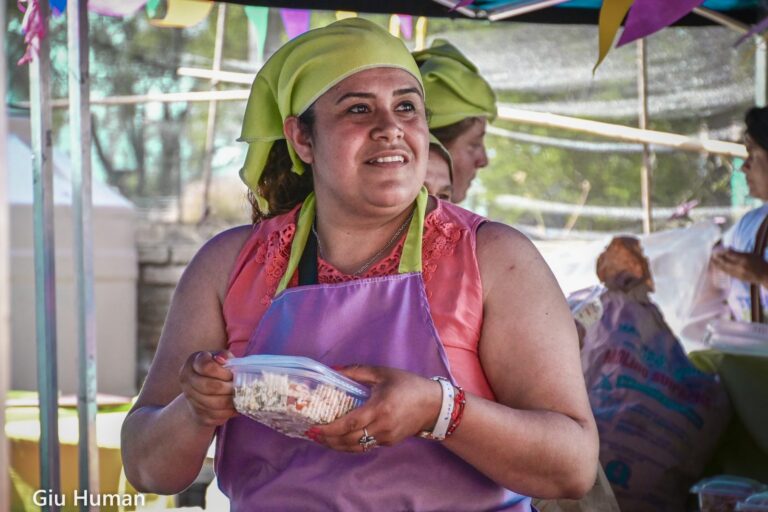
Caring is work. Community care spaces in working-class neighborhoods
Community caregiver women often work a triple shift—providing care in their own homes, as domestic workers, and in their neighborhoods. This care work, historically performed by women due to the gendered division of labor, is neither recognized nor compensated by the government; therefore, it is crucial to raise awareness of it and value it in […]