Women’s invisible tasks take up a great deal of time and keep them from having free time, studying or working in a paid job.
Care has recently become firmly established as a key issue in the field of women’s rights, even though it is something we in the feminist and women’s movements of our region and of the world have been debating for decades.
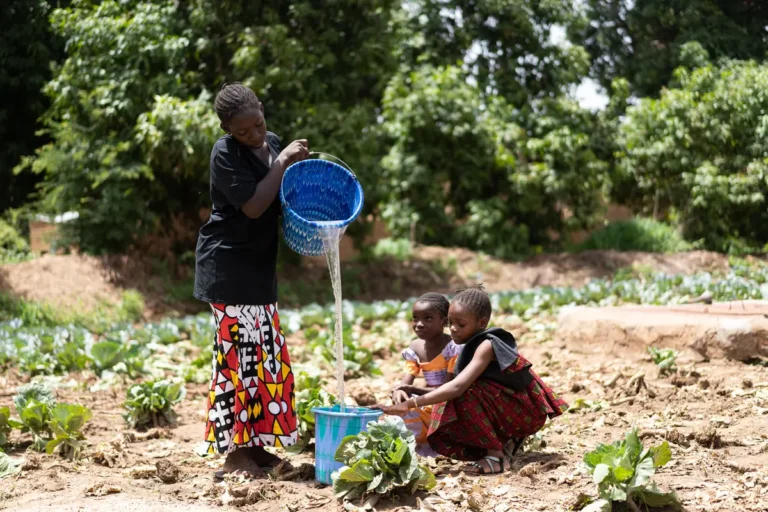
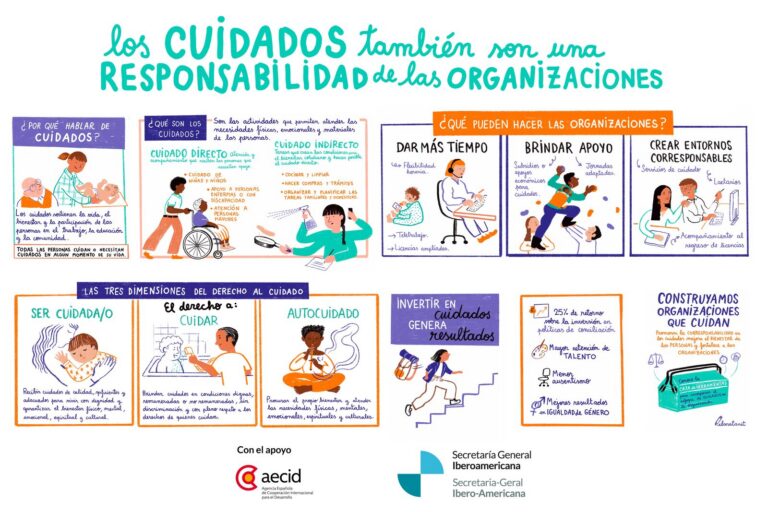
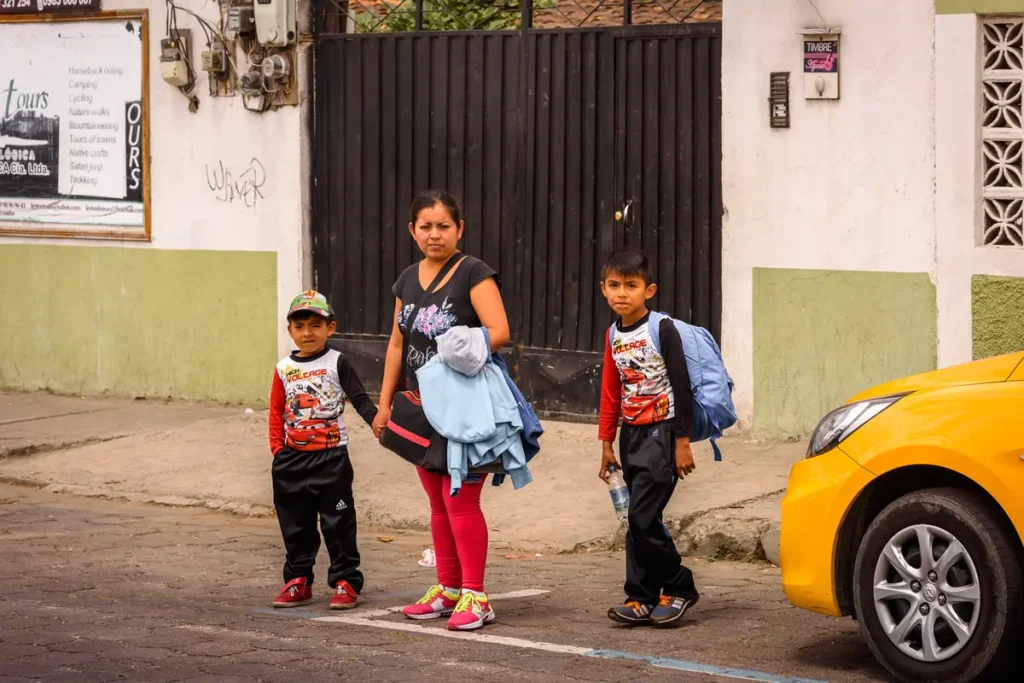
There are many tasks we do from morning to night that keep the world running (cleaning, cooking, washing, ironing, assisting older people, paying bills, looking after people who need assistance such as children, older people or some persons with disabilities, deciding what to eat, sorting waste and taking out the garbage, among others). These invisible tasks take up a great deal of time and keep whoever does them from having free time, studying or working in a paid job.
For more than three decades, through time-use surveys, we have shown how we women do 90% of care work, how we women work twice or even three times as much as men when care work is counted, and how the lack of pay for these tasks is unjust and works against our well-being and that of our families.
On the one hand, the system cannot function without the tasks of “social reproduction,” or care, and on the other, it refuses to pay their costs or grants them little or no economic value. Something similar happens with Nature, which it treats as unlimited resources without weighing the consequences of its devastation. So today, almost everywhere in the world, there are explosive debates over access to universal health care, free education, environmental justice, access to clean energy, housing and public transportation, against the backdrop of the crisis of the system and the social reaction to growing injustices.
From different spheres, we insist that caring, being cared for and caring for one another must be at the center of our concerns if we are to move forward in building more livable worlds. Care as a beacon, as a lever and as a focus, as a way of addressing the global crisis, which is not new but which the COVID-19 pandemic lays bare and makes ever more evident.
There have been important experiences of reflection and participatory work in Rosario and Córdoba that we take as precedents. In the City of Buenos Aires, in 1996 we enshrined participatory democracy, decentralization into comunas (communes) and parity between women and men; however, after an initial push, many of those rules have been blocked. Even so, a vigorous citizenry organizes itself and fights so that that constituent spirit does not die. Hence the thousands of acts of resistance to the patriarchal, extractivist urban system in all its forms, in every neighborhood and in every collective struggle for green and public spaces and for the commons, as well as in building the Interconsejo consultivo (advisory inter-council) so that the comunas do not die.
Now we women from the neighborhoods of the 15 comunas are coming together and organizing to challenge an approach to urban planning that excludes us from the planning process and neglects us all. We ecofeminists choose to think about cities and territories from a complex and intersectional approach, understanding that the debates we are having concern both our first territory (our bodies) and what lies beyond the urban and relates to territories in general.
That is why we are carrying out a collective project with more than 20 women’s, social, neighborhood and environmental organizations of the City of Buenos Aires, in which so far, halfway through the process, more than 400 women from the different comunas have taken part. Together we reflect on what the right to the city means from a feminist perspective, and from there, drawing on the categories of care and of feminist urbanism, we propose the changes we want and consider necessary for our neighborhoods and for the City and the metropolitan region as a whole.
We women envision cities that meet not only our own needs but everyone’s: children, older people, persons with disabilities, migrants, LGBT people, non-human persons, and harmony with Nature. Just as we have helped make violence visible and put new issues on the agenda, such as the sexual division of labor, care, sexual and reproductive health, and our rights over our bodies and our sexualities.
From a feminist perspective, livability means incorporating into territorial management policies, and at the micro-local scale: 1) An equitable distribution of tasks and a supportive, balanced commitment among the members of the community; 2) Spaces free of violence; 3) Spaces for gathering and community life that dignify the experience of being a pedestrian and guarantee accessibility; 4) Agreements for living together that make it possible to maintain the networks that sustain life, with gender equity in responsibilities; 5) Recovery of memory: spaces that respect what happened or was built and make it easier to work through collective grief and loss.
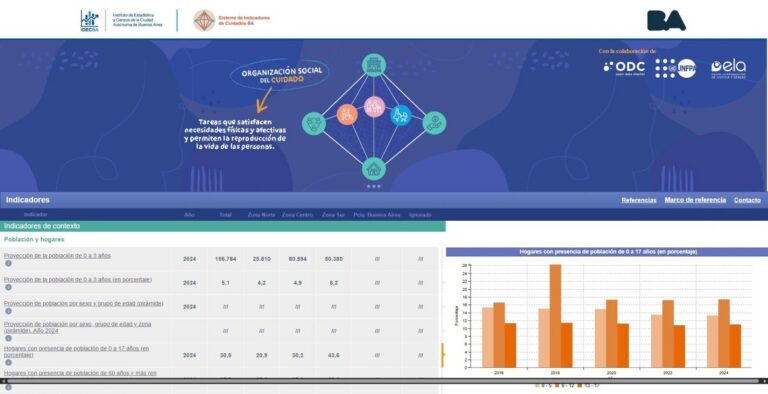
In the specific case of Buenos Aires, the most relevant findings so far regarding care infrastructure are the lack of access to water (1 in 7 inhabitants has no access), the lack of educational infrastructure for children from 45 days to four years old (400 additional schools are needed to meet the unmet demand), the lack of full-day schooling, the lack of free internet access for students, the lack of support teams for children with learning difficulties, the lack of mental health care, the lack of free public spaces for adolescents and young people to socialize, the lack of free public sports spaces, the lack of green and public spaces (1.5 m2 per inhabitant instead of the 10 to 15 recommended by the WHO, alongside the alarming privatization of 500 ha of public space over the last thirteen years, 150 ha of which were green space) and their unequal distribution across the city, the lack of accessibility and the worsening living conditions for older people and persons with disabilities, and the unequal distribution of day centers for older people between the North and the South of the City. These shortcomings have a spatial impact on our lives and bodies as women.